
Learning to Recircle Together
There are moments at the ranch that stay with you.
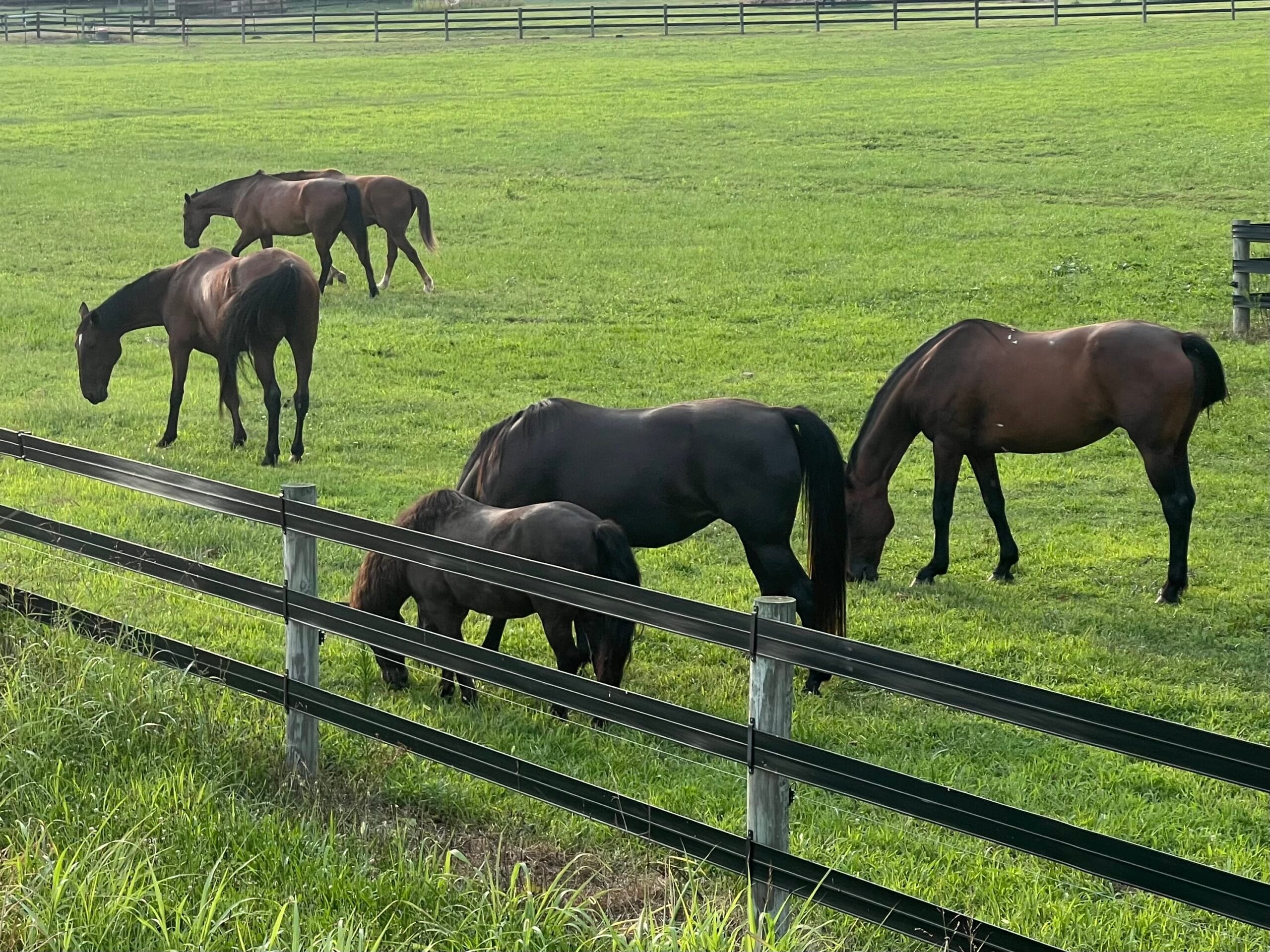
One afternoon, one of our younger horses, Red, got himself all worked up over something small. Nothing dangerous. A Styrofoam cooler lid had come loose somewhere and was blowing across the pasture.
Harmless… but to him it was terrifying.
The moment he reacted, the rest of the horses started feeding off it. Their movement increased immediately. Energy increased. Within seconds, all the horses were reacting the same way—a full gallop across the pasture, whether they actually understood the danger or not.
I’ve heard old timers say horses can hear each other’s heartbeat. I don’t know how true that is, but I do know horses are deeply aware of one another. There always seems to be at least one horse watching while the others graze. And when one reacts strongly enough, the whole herd pays attention.
Horses are prey animals. Their instinct is not to stop and analyze danger. Their instinct is to create space from it.
But what’s interesting is what happens next.
Once they get enough distance to feel safe, they begin to circle back around. They stop running blindly and start observing. They look from a distance. They settle. And eventually, if things seem okay, they approach the very thing that first caused the panic.
Around the ranch we sometimes call that a recircle.
And honestly, I think healthy families need to learn how to do the same thing.
When Families Get Stirred Up
Life has a way of stirring people up.
A hard conversation.
Unexpected news.
Financial stress.
Pressure at school.
Conflict in relationships.
Sometimes it’s something genuinely serious. Sometimes it’s something small that catches us at the wrong moment and suddenly feels bigger than it really is.
What makes family life challenging is that emotions rarely stay isolated.
One anxious person can affect the whole home. One angry response can shift the atmosphere in a room. Kids are especially aware of this. Even when they don’t fully understand what’s happening, they feel it.
And just like horses in a pasture, children often begin reacting to the emotional energy around them long before they understand the actual situation.
That’s part of why parenting can feel so overwhelming sometimes.
We aren’t just managing situations.
We’re helping shape the emotional climate our children live in.
What Happens When We Panic
Most parents have moments where circumstances get the better of them.
We become overwhelmed. Frustrated. Discouraged. Maybe even fearful.
The problem usually isn’t that we felt those emotions in the first place. The problem is what happens when instinct takes over and nobody slows down long enough to recircle.
Sometimes we react immediately.
Sometimes we emotionally dump on our kids because we need somewhere for the pressure to go.
Sometimes we stay emotionally spun up for so long that the entire home begins orbiting around stress.
Kids were never meant to carry that weight.
They need honest parents, but they also need steady ones.
There’s a difference between letting your child see that life is hard and making them responsible for stabilizing the emotional environment of the family.
Parents exist for their children.
Not the other way around.
The Power of the Recircle
One of the healthiest things a parent can learn to do is recircle.
Not ignore problems.
Not pretend everything is fine.
Not suppress emotion.
Recircle.
Step back long enough to regain awareness before moving forward again.
Sometimes that means taking a breath before responding. Sometimes it means praying before speaking. Sometimes it means gathering the family later after emotions settle and talking honestly about what happened.
A recircle is where families begin moving from instinct to intentionality.
It becomes a place where we:
- pray
- talk honestly
- reassess what’s really happening
- remember what resources and support we have
- make a plan for moving forward
That’s very different from panic.
Panic reacts.
A recircle reflects.
Teaching Kids What to Do With Fear
One of the reasons this matters so much is because our kids are learning how to handle difficulty by watching how we handle ours.
If every stressful moment becomes chaos, they begin to believe chaos is normal.
But when they see parents acknowledge fear, step back, pray, regroup, and move forward thoughtfully, they learn something entirely different.
They learn that difficult moments do not have to control them.
That awareness matters.
At the ranch, younger horses eventually learn from the older, steadier horses in the herd. Over time, their reactions begin to change. They still notice danger. They still respond to pressure. But they recover faster. They become less reactive because they’ve learned how to settle.
The same thing happens with people.
As confidence and awareness grow, the length of the recircle gets shorter.
We begin recognizing unhealthy patterns earlier. We stop living entirely on instinct. We become more thoughtful, more grounded, more aware of what’s happening inside of us before it spills onto everyone around us.
And our kids begin learning how to do the same thing.
God Often Works Through the Recircle
There’s a pattern throughout Scripture where God meets people after they step back long enough to become aware again.
One of the clearest examples is Elijah Under the Broom Tree in 1 Kings 19.
Elijah reaches a point where fear and exhaustion completely overwhelm him. He runs. He isolates. He collapses emotionally under a tree and tells God he’s done.
What’s striking is that God doesn’t meet Elijah with shame.
He gives him space to rest. He feeds him. He restores his strength before speaking direction into his life.
God enables Elijah to, using ranch language, “recircle”.
Only after Elijah settles does God begin to teach him again of the spiritual resources that he has available to him.
That matters because many parents are trying to lead their families while emotionally exhausted themselves.
Sometimes the most spiritual thing a parent can do is pause long enough to become grounded again before moving forward.
You Don’t Have to Get It Right Immediately
One of the hardest lies parents believe is that every moment has to be handled perfectly in real time.
But healthy leadership is not about never panicking.
It’s about learning how to recircle.
You can come back to a conversation.
You can apologize for your reaction.
You can gather your family later and say, “We got stirred up earlier. Let’s talk about what was really going on.”
That kind of humility and awareness teaches children far more than pretending nothing happened.
Be Encouraged
If you’ve had moments where life stirred you up more than you wanted, you are not alone.
Most parents have.
The goal is not perfection.
The goal is growing awareness and learning how to lead your family back toward steadiness when emotions begin running the show.
Even if you panic, you can recircle.
And when you do, your kids will often follow your lead.
Over time, those moments become part of how resilience is formed—not because your family avoided difficulty, but because they learned how to move through it together.
If You’d Like to Read More
If this idea of “recircling” resonates with you, there are several other articles on the ranch website that connect closely with these same themes of steadiness, resilience, emotional awareness, and healthy leadership in the home.
You may want to continue with:
- Your Presence Matters More Than You Think
Why the emotional environment parents create shapes children more deeply than most people realize. - Why Your Reactions Matter More Than Their Behavior
How children learn emotional regulation and resilience by watching how adults handle pressure and frustration. - What Your Child Learns From How You Handle Stress
Why steadiness and predictability help children feel safe enough to grow. - What Behavior Is Trying to Tell Us
Understanding the deeper needs and emotions often hiding underneath difficult behavior. - Don’t Rescue Too Soon
How healthy struggle helps build confidence and resilience in kids over time. - Failure Is a Great Teacher (If We Don’t Panic)
Why our response to failure often shapes our children more than the failure itself. - Building Confidence Starts With Identity
Helping children develop confidence rooted in who they are instead of how they perform.
You can find these and other reflections for parents, mentors, and families at:
Rising Hope Ranch Reflections
Because resilience is rarely built in one big moment.
More often, it’s formed slowly—through steady relationships, honest conversations, and families learning how to recircle together when life gets hard.