What Horses Teach Us About Authenticity
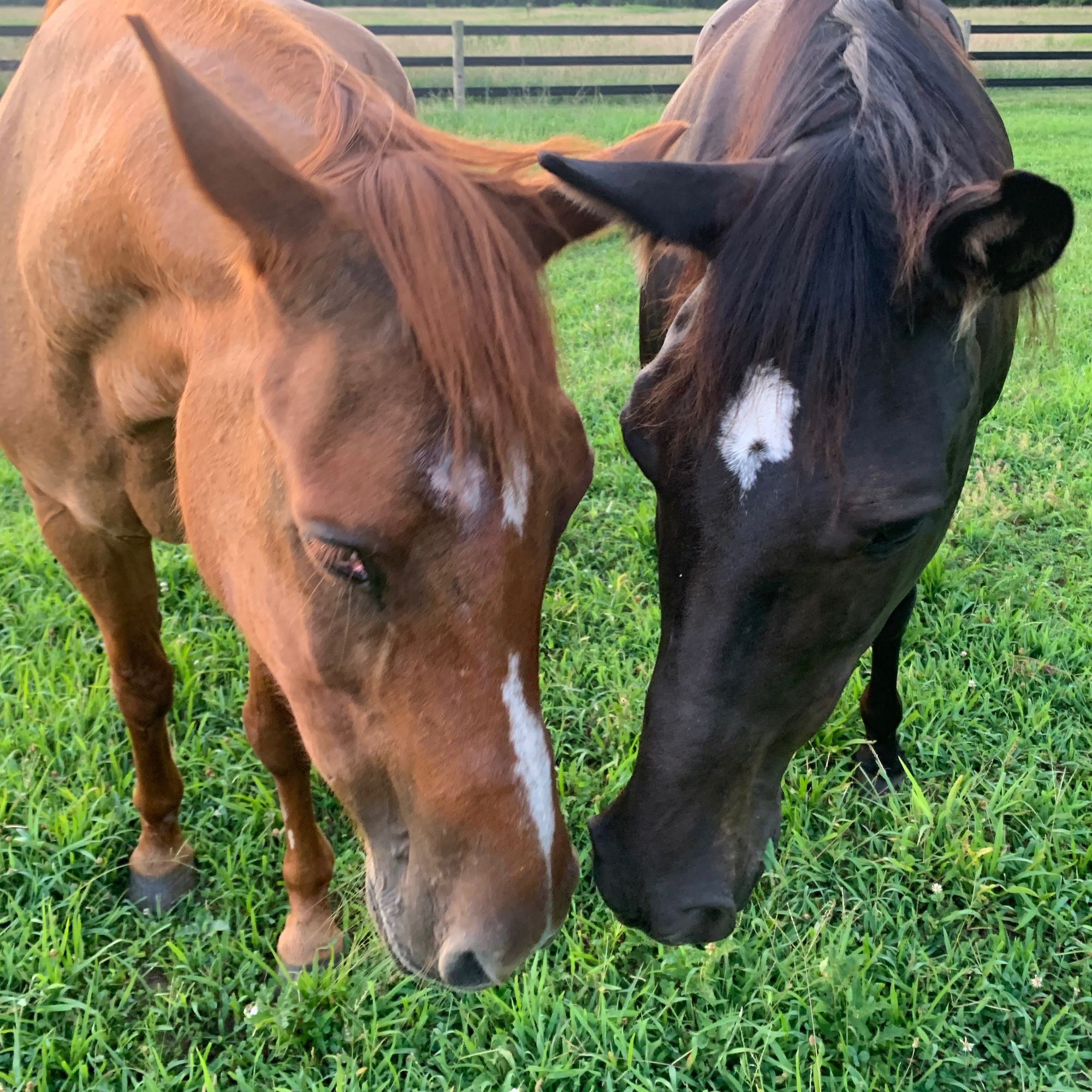
I didn’t grow up around horses. I got thrown into the horse world as a “horse husband,” and soon after my wife got her first horse, a Quarter Horse mare named Dixie, she began to develop a reputation.
I don’t know what stories she and my daughter were telling her, but it appeared she had learned not to trust men very much. Dixie threw several guys who attempted to ride her, and even kicked at a few more. Whether they deserved it or not, I don’t know, but regardless, she had my attention.
Every time I walked into the pasture, I told myself not to be nervous.
I talked a good game.
“Just be confident.”
“Act like you belong here.”
“She’s just a horse.”
But Dixie knew the truth.
I would approach trying to look calm, while inside my heart was racing. I would tighten up on the lead rope. My movements would become more cautious. My body would become tense.
And Dixie responded to what I was feeling, not what I was pretending.
It didn’t take long for me to learn that horses are incredibly honest animals.
They don’t care about our image, or our carefully crafted words.
They don’t care about the version of ourselves we try to present to the world.
Horses consistently respond to what is actually there.
In many ways, building trust in relationships works the same way.
People Often See More Than We Think
The funny thing is that people aren’t all that different.
Children sense our stress before we admit it.
Spouses know when something is wrong before we ever say a word.
Friends can often sense when we’re hurting, frustrated, or distracted.
Coworkers recognize tension in a meeting before anyone mentions it.
Church members can tell when a leader is carrying a burden.
We may think we’re hiding it well, but the people closest to us are often responding to what we’re feeling more than what we’re saying.
We build trust in relationships by building on authenticity.
Not perfection or performance.
Not appearances.
Authenticity.
One of the greatest lessons horses teach is that trust begins when we stop pretending.
That doesn’t mean we dump every emotion on everyone around us. It doesn’t mean we lose self-control or make our feelings someone else’s responsibility.
It simply means being honest.
Honest with ourselves, with God, and with the people we love.
Many of us spend tremendous energy trying to appear strong, calm, and in control. Yet the people around us often sense the anxiety, frustration, or hurt beneath the surface anyway.
The result is a disconnect.
Our words say one thing.
Our lives say another.
And relationships struggle because people don’t know which version of us to trust.
The Gospel Begins With Honesty
This is one of the reasons the Gospel is so powerful.
God never asks us to pretend.
In fact, Scripture repeatedly calls us into honesty.
King David poured out his fears, failures, anger, and grief before God. The Psalms are filled with raw prayers from someone who stopped pretending everything was fine.
1 John 1:8-9 tells us:
“If we claim to be without sin, we deceive ourselves and the truth is not in us. If we confess our sins, he is faithful and just and will forgive us our sins and purify us from all unrighteousness.”
Notice that confession comes before healing.
Honesty comes before restoration.
Authenticity comes before transformation.
The Gospel begins with the admission that we are not as strong, wise, or put together as we would like people to believe.
It begins when we stop performing and start trusting.
The good news of Jesus is not that perfect people are accepted by God.
The good news is that broken people are welcomed by grace.
And when we learn to live in that grace, we become free to be honest with others as well.
Trust Grows Where Authenticity Lives
The healthiest relationships aren’t built on flawless people.
They’re built on truthful people.
Parents who can admit they don’t have all the answers.
Mentors who can acknowledge their mistakes.
Friends who can say, “I’m having a hard day.”
Spouses who can be vulnerable enough to say, “I’m hurt.”
Leaders who don’t feel the need to project strength every moment of every day.
That’s where trust begins.
Not when we become perfect.
But when we become real.
Dixie taught me that long before I understood it.
I thought I was trying to convince a horse that I wasn’t nervous.
I wound up learning that authenticity matters more than appearances.
And that’s a lesson that has served me far beyond the pasture.
Because whether you’re working with a horse, building a marriage, raising a family, mentoring a teenager, leading a church, or deepening a friendship, building trust in relationships always begins in the same place:
Stop pretending.
Start being real.
If You Want to Read More
Building trust in relationships is a theme that runs throughout much of what we do at Rising Hope Rescue Ranch. If this article resonated with you, here are a few others you may enjoy:
Helping Kids Handle Stress: What Your Child Learns From How You Handle Stress
Children are constantly watching how the adults around them respond to pressure. Discover why your reactions may be teaching more than your words.
Helping Kids Handle Stress: Borrowed Confidence
Just as young horses gain courage by following a trusted leader, children often learn confidence by borrowing it from the adults around them.
You Are the Environment Your Child Grows In
The atmosphere we create has a powerful impact on the people around us. Learn why emotional safety often begins with the adults in the room.
Repairing the Relationship After You Get It Wrong
Every relationship experiences mistakes and misunderstandings. What matters most is what happens next.
Biblical Reflection
If you’d like to explore this topic through Scripture, spend some time with:
- Psalm 51 — David’s prayer of honest confession.
- Psalm 139:23-24 — Inviting God to search our hearts.
- John 4:1-26 — Jesus’ conversation with the Samaritan woman.
- 1 John 1:5-10 — The freedom that comes from walking in the light.
Authenticity isn’t about exposing every thought or emotion. It’s about living truthfully before God and others. As Dixie taught me years ago, trust begins when we stop pretending. Scripture reminds us that healing often begins in the very same place.